
Beds That Frame Your Property Cleanly
Flower Bed Maintenance in Idaho Falls for landscape beds affected by weeds, debris, and seasonal weather changes
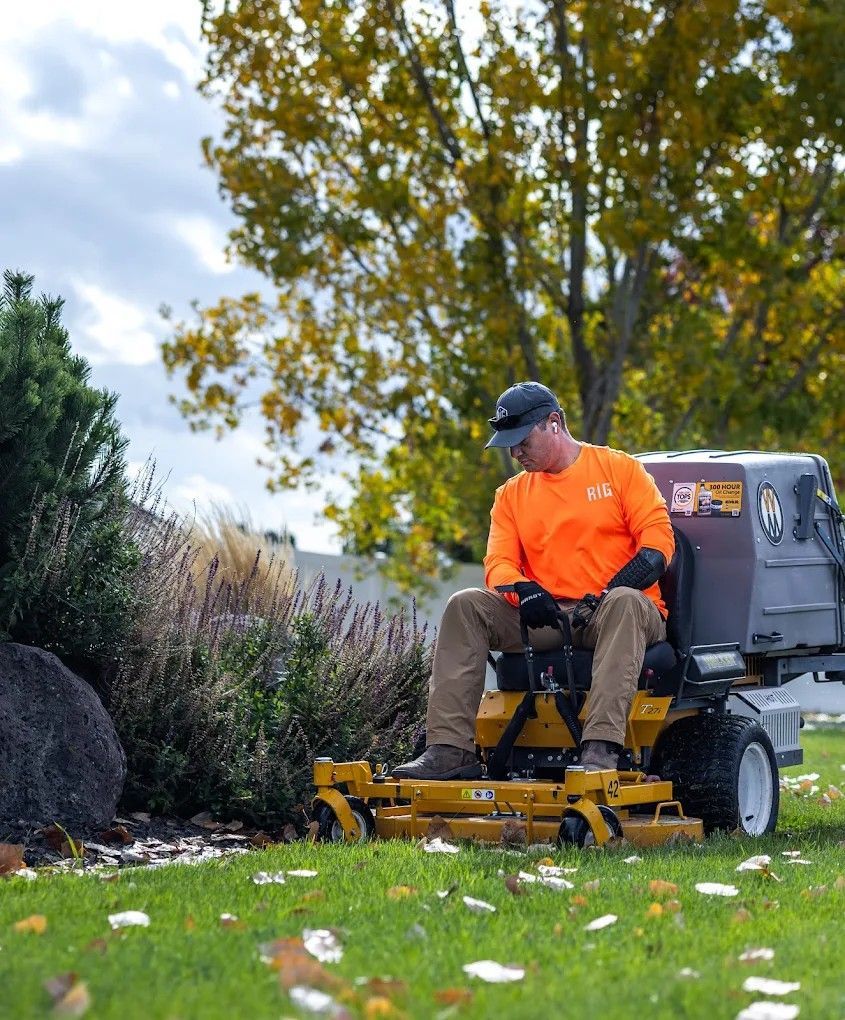
Wind carries weed seeds, fallen leaves, and branch debris into flower beds throughout the year, while existing weeds spread rapidly when left uncontrolled during Idaho's growing season. Flower bed maintenance from RIG Lawn Care and Snow Removal keeps residential landscape beds in Idaho Falls, Ammon, Iona, and surrounding areas visibly clean through regular weeding, trimming of plants that overgrow their spaces, removal of accumulated debris, edging to define bed borders, and seasonal cleanup that addresses changing conditions. Clean beds create sharp visual contrast against lawn areas and allow ornamental plants to grow without competing for water and nutrients.
The service addresses the reality that flower beds require attention beyond initial planting—mulch breaks down and needs replenishing, perennials spread beyond intended areas, and weeds establish quickly in bare soil or thin mulch. Recurring maintenance visits prevent small problems from becoming established infestations that require extensive renovation.
Schedule a property walkthrough to identify which landscape beds need regular attention based on their current condition.
What Proper Flower Bed Care Requires
Effective bed maintenance starts with removing weeds before they flower and set seed, which stops the cycle of new weed emergence. Hand-pulling or targeted removal protects desirable plants while eliminating competition for moisture and nutrients. Trimming overgrown plants maintains intended bed shapes and prevents aggressive spreaders from crowding out slower-growing ornamentals. Debris removal clears leaves, twigs, and wind-blown material that smothers low plants and creates habitat for pests.
After maintenance, beds show defined edges where mulch or soil meets lawn, uniform plant spacing without weed intrusion, and clean mulch surfaces without debris accumulation. Plants grow more vigorously because they're not competing with weeds for resources, and beds maintain their designed appearance rather than blending into surrounding turf. Seasonal changes in Idaho Falls bring different challenges—spring maintenance addresses winter debris and early weed growth, summer service manages rapid weed emergence during warm weather, and fall cleanup prepares beds for winter by removing dead annuals and cutting back spent perennials.
Bed edging redefines borders that blur over time as grass creeps inward and mulch settles, creating visual separation that makes properties look intentionally maintained. Edging also prevents lawn mowers from damaging plants at bed edges and keeps mulch contained within designated areas.
Questions Before Starting Your Project
Flower bed maintenance addresses the practical challenges of keeping landscape beds functional and attractive in Idaho Falls, where wind, weeds, and seasonal weather affect bed condition.
RIG Lawn Care and Snow Removal structures flower bed maintenance to address the specific conditions affecting your landscape beds, from weed pressure to debris accumulation patterns. Set up recurring maintenance service to keep beds polished without dedicating your own time to repetitive weeding and cleanup tasks.
What does recurring flower bed maintenance include?
Each visit involves hand-weeding throughout all beds, trimming plants that exceed their intended space or show dead growth, removing leaves and debris that accumulated since the last service, edging bed borders to maintain clean lines, and tidying mulch surfaces to restore uniform appearance.
How often should flower beds receive maintenance during growing season?
Most residential beds benefit from service every three to four weeks from May through September when weed growth is active, with less frequent visits in spring and fall when cooler temperatures slow both weed emergence and plant growth.
Why do flower beds accumulate debris so quickly in Idaho Falls?
Wind patterns carry leaves, seeds, and small branches into beds where plants and mulch trap the material, and irrigation spray can wash soil and organic matter from surrounding areas into bed spaces.
What happens if weeds are left uncontrolled in landscape beds?
Established weeds develop extensive root systems that become difficult to remove without disturbing nearby ornamental plants, produce thousands of seeds that create years of future weed pressure, and compete aggressively for water during dry periods when ornamentals need consistent moisture.
When is the best time to refresh mulch in maintained beds?
Late spring after soil warms allows mulch application that suppresses summer weeds, while early fall mulching insulates plant roots before winter, with timing coordinated during regular maintenance visits to minimize separate service trips.