Surfaces That Stay Walkable After Temperatures Drop
Residential Walkway & Driveway Salting in Idaho Falls for properties where overnight freezing turns cleared pavement into slick ice
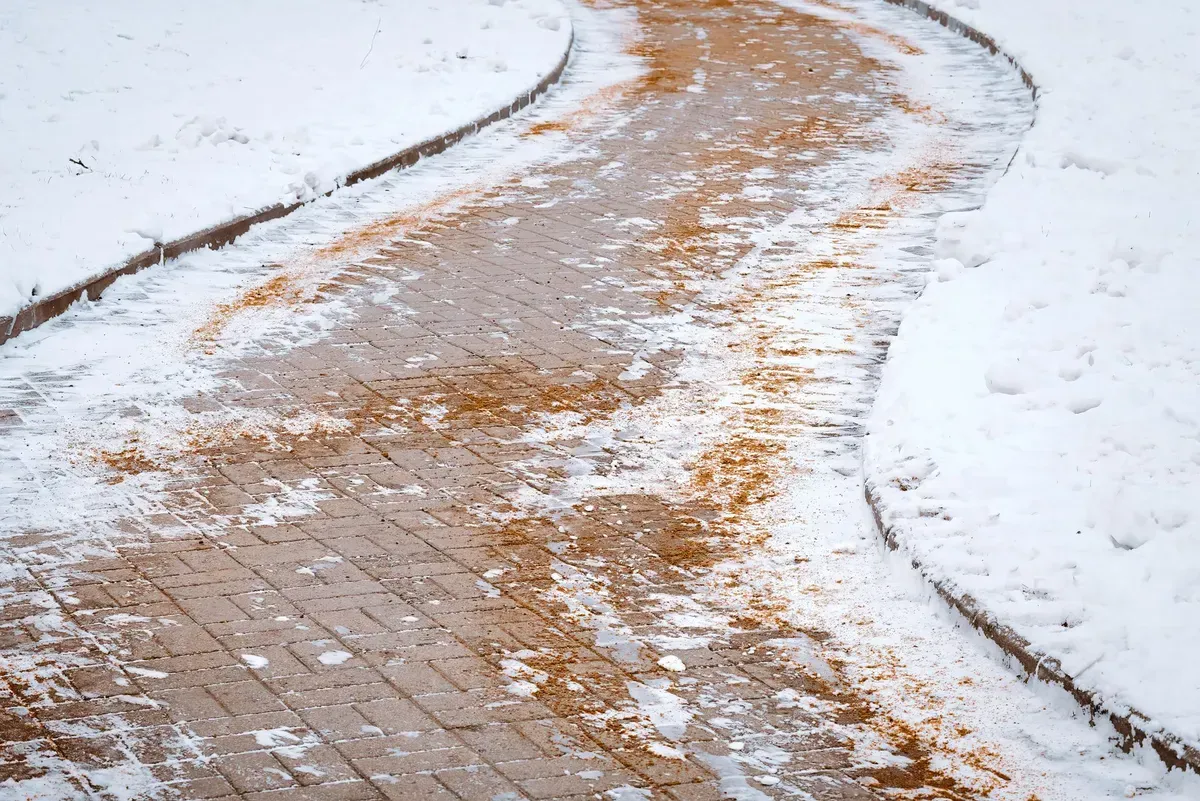
Driveways and walkways cleared of snow often refreeze once temperatures drop after sunset, creating black ice that's invisible until someone slips or a vehicle loses traction. Idaho winters bring daytime melting followed by nighttime refreezing, and untreated pavement becomes hazardous within hours of a temperature swing. RIG Lawn Care and Snow Removal applies salting treatments to residential walkways, driveways, entry points, and commonly used access areas across Idaho Falls, reducing ice buildup and improving traction during freezing conditions.
Salt lowers the freezing point of water on pavement surfaces, preventing melt from refreezing into solid ice and breaking down thin ice layers that have already formed. Application timing matters because salt applied before a freeze works more effectively than treatment after ice has already bonded to concrete or asphalt, and proactive ice management keeps surfaces safer throughout extended cold snaps.
Arrange a property assessment to identify high-risk zones where ice typically forms first and foot traffic is concentrated.
Why Ice Forms Even After Snow Is Removed
Idaho Falls experiences temperature swings where midday sun melts surface snow, water runs across driveways and walkways, and then refreezes into smooth ice once the sun sets and temperatures fall below thirty-two degrees. Residential salting treats these vulnerable surfaces before or immediately after freezing occurs, preventing the thin water layer from hardening. Entry steps, driveway aprons where vehicles pause, and walkway slopes where meltwater flows are particularly prone to ice formation and benefit from targeted salt application.
After salting is completed, treated surfaces remain free of bonded ice, foot traffic moves across walkways without slip risks, and vehicle tires maintain traction when accelerating or braking on driveways. Homeowners notice that entry areas stay accessible for delivery personnel, elderly visitors navigate steps more safely, and morning departures don't require scraping ice from pavement before backing out. Salting as part of complete winter property maintenance reduces the number of days when outdoor movement becomes hazardous.
Salting services focus on high-traffic pavement and primary access routes but do not typically extend to decorative stone walkways, unpaved areas, or sections where salt runoff might damage adjacent landscaping. Properties with concrete driveways may require specific salt formulations to minimize surface pitting over multiple winters.
Common Questions About Winter Salting Services
Ice management through salting involves understanding when treatment is most effective and how Idaho Falls freezing patterns affect residential properties throughout the season.
RIG Lawn Care and Snow Removal offers proactive ice management that keeps residential properties accessible and safe during Idaho Falls winters. Contact us to schedule salting services and secure safer walkways and driveways throughout the cold season.
What areas receive salting treatment during winter months?
Treatment covers walkways, driveways, entry points, steps, and commonly used access areas where foot traffic and vehicles require dependable traction during freezing conditions.
How does salting reduce slip hazards on residential properties?
Salt lowers the freezing point of water on pavement, preventing meltwater from refreezing into ice and breaking down existing thin ice layers, which keeps surfaces walkable and reduces the risk of slips and falls.
When should salting be applied for best results in Idaho Falls?
Applying salt before overnight freezing occurs prevents ice formation more effectively than treating ice that has already bonded to pavement, and proactive application works best during temperature swings between melting daytime conditions and freezing nights.
Why does ice still form after snow has been cleared?
Daytime melting creates water runoff that flows across driveways and walkways, and when temperatures drop after sunset, that water refreezes into smooth black ice that's difficult to see and extremely slippery.
What is not included in residential salting services?
Salting focuses on paved, high-traffic access routes and does not typically cover decorative stone paths, unpaved areas, or zones where salt runoff could harm nearby plants or landscaping features.